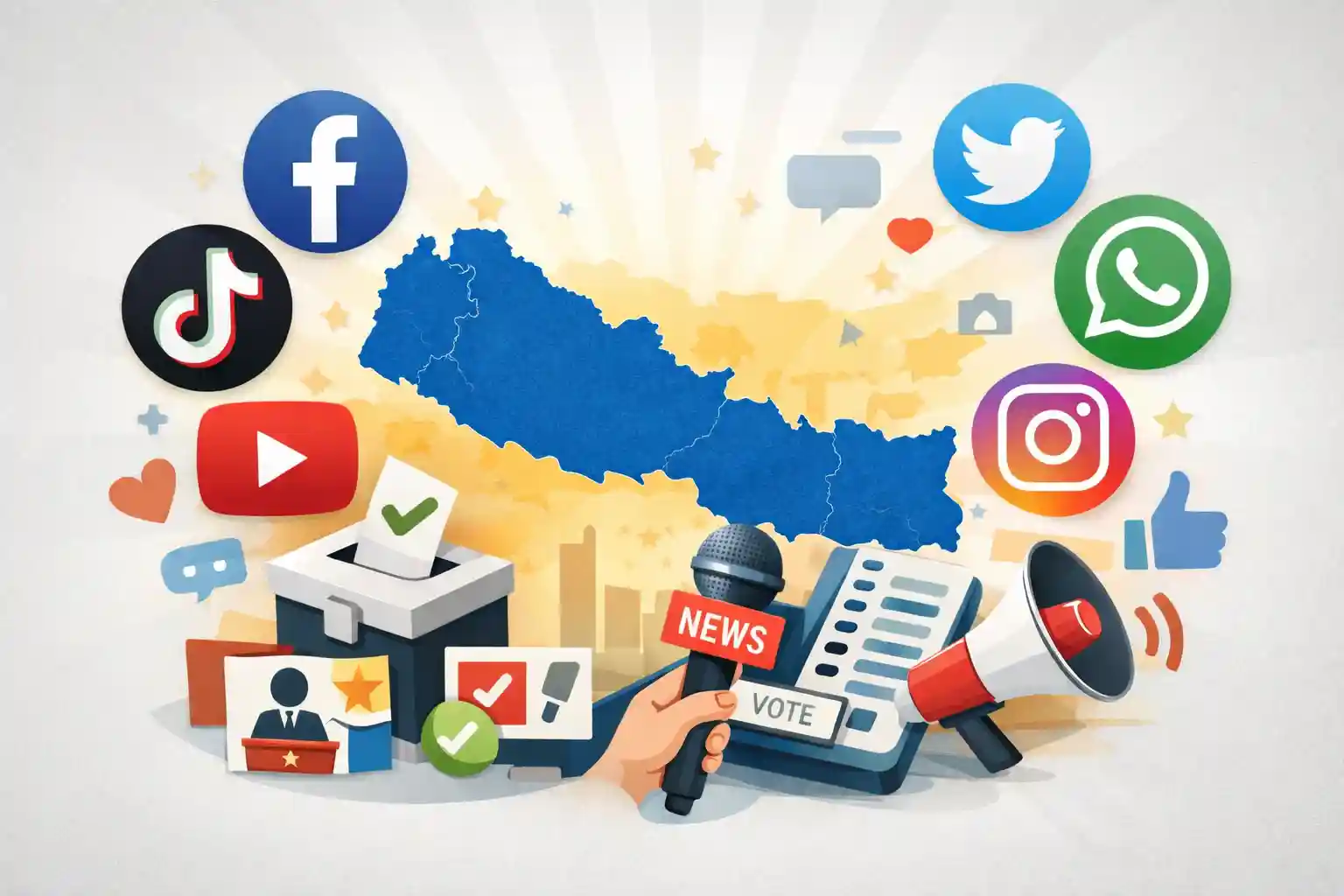
Role of Social Media in Winning Elections
Introduction
In South Asia, elections are no longer decided only by rallies, posters, or party flags. Today, social media plays a decisive role in shaping political opinions and influencing voters. Platforms like Facebook, TikTok, YouTube, and X (Twitter) have become modern political battlegrounds where narratives are built, leaders are tested, and public trust is won or lost.
Social media has transformed how candidates communicate with voters and how voters evaluate leadership.
How Social Media Changed Election Campaigns
Traditional campaigns relied heavily on physical presence and mainstream media coverage. Social media has disrupted this model by allowing candidates to reach voters directly, without intermediaries.
Key changes include:
- Direct communication between leaders and citizens
- Faster spread of political messages
- Real-time feedback from voters
- Reduced dependence on party machinery
This shift has especially benefited independent candidates and new political faces, giving them visibility equal to established parties.
Youth Voters and Digital Politics
Young voters form a major portion of the electorate in South Asia. This generation:
- Consumes news primarily through social media
- Distrusts traditional political messaging
- Prefers short, visual, and authentic content
Social media platforms speak their language. A simple video explaining a problem can be more effective than a long political speech. As a result, candidates who actively engage online tend to connect better with young voters.
Storytelling Over Slogans
Winning elections on social media is less about ideology and more about storytelling.
Successful political content often includes:
- Personal stories and lived experiences
- Clear positions on corruption and governance
- Relatable language instead of political jargon
- Visual proof of work and accountability
Voters are more likely to trust leaders who appear transparent and genuine rather than those repeating traditional slogans.
Low-Cost, High-Impact Campaign Tool
One major advantage of social media is affordability. Compared to traditional campaigns, digital campaigning:
- Costs significantly less
- Reaches wider audiences
- Allows targeted messaging
This has democratized elections, enabling grassroots leaders and independent candidates to compete without massive financial backing.
The Risk of Misinformation
Despite its advantages, social media also presents serious challenges:
- Spread of fake news and misinformation
- Manipulated videos and false narratives
- Polarization and echo chambers
Unverified content can influence voter behavior and damage democratic processes. This makes digital literacy and ethical campaigning more important than ever.
Can Social Media Alone Win Elections?
Social media can help candidates:
- Gain visibility
- Mobilize supporters
- Shape public perception
However, online popularity does not replace good governance. Voters increasingly expect real performance after elections. Leaders who fail to deliver often lose credibility quickly, regardless of their digital presence.
Conclusion
Social media has permanently changed the political landscape of South Asia. It has empowered voters, challenged traditional power structures, and opened doors for new leadership. However, it is only a tool.
Winning elections may start online but trust is sustained through action, accountability, and results.