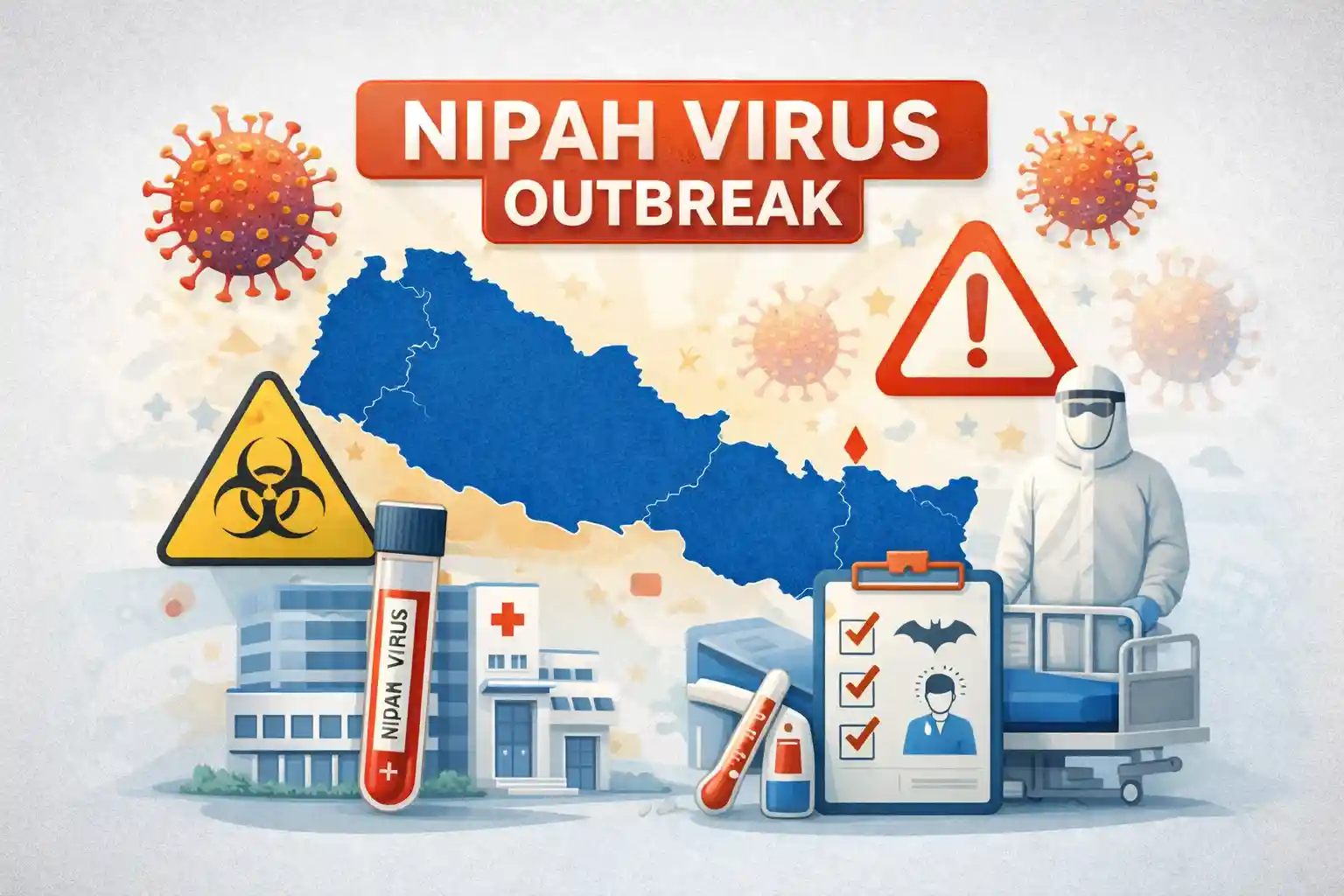
Nipah Virus Outbreak: A Growing Health Concern in South Asia
The recent reports of a Nipah virus outbreak in parts of India have raised fresh concerns across South Asia. Although the number of cases is limited, health experts consider Nipah virus one of the most dangerous infectious diseases due to its high fatality rate and lack of a specific treatment.
Countries sharing close borders and frequent travel links are now focusing on prevention, surveillance, and public awareness to avoid a wider health crisis.
Understanding the Nipah Virus
Nipah virus is a zoonotic infection, which means it spreads from animals to humans. Fruit bats are known to be the natural carriers of the virus. Human infection can occur through:
- Direct contact with infected animals
- Consumption of fruits contaminated by bats
- Drinking raw or unprocessed date palm sap
- Close contact with an infected person
Once transmitted, the virus can cause severe illness affecting both the respiratory system and the brain.
Why the Nipah Virus Is Dangerous
Unlike many viral infections, Nipah virus is associated with a high mortality rate, often ranging between 40% and 75% in past outbreaks. The disease can worsen rapidly, leaving little time for medical intervention.
Major concerns include:
- No approved vaccine available
- No specific antiviral medicine
- High risk of infection among caregivers and health workers
- Possibility of human-to-human transmission
Because of these risks, even a small outbreak demands immediate attention from public health authorities.
Current Situation and Regional Alert
Recent Nipah virus cases reported in India have prompted neighboring countries to remain alert. Health agencies have strengthened screening at airports and border points, especially for travelers coming from affected areas.
In Nepal and other nearby nations, hospitals have been instructed to report unusual fever cases and neurological symptoms without delay. While no confirmed cases have been reported locally, authorities are taking precautionary steps to ensure early detection.
Common Symptoms of Nipah Virus Infection
The symptoms of Nipah virus often begin mildly, which makes early identification difficult.
Early signs include:
- Fever and headache
- Muscle pain and fatigue
- Cough or sore throat
- Vomiting
Severe symptoms may include:
- Dizziness or confusion
- Seizures
- Difficulty breathing
- Brain inflammation (encephalitis)
Immediate medical attention is critical if these symptoms appear after exposure to a high-risk area or individual.
How Governments Are Responding
Public health strategies currently focus on containment and prevention, rather than treatment.
Measures include:
- Isolation of suspected cases
- Contact tracing and monitoring
- Health screening at airports and borders
- Awareness campaigns for the general public
These steps aim to prevent community transmission and protect healthcare systems from being overwhelmed.
What the Public Can Do to Stay Safe
Public awareness plays a key role in preventing the spread of Nipah virus.
Simple precautions include:
- Avoid eating fallen or partially eaten fruits
- Do not consume raw date palm sap
- Maintain good hand hygiene
- Avoid close contact with people showing flu-like symptoms
- Follow official health advisories
Staying informed and cautious is far more effective than panic.
A Wake-Up Call for South Asia
The Nipah virus outbreak highlights the importance of strong disease surveillance systems in South Asia. Rapid urbanization, close human-animal interaction, and open borders increase the risk of zoonotic diseases.
Long-term investment in public health infrastructure, cross-border cooperation, and medical research is essential to manage future outbreaks more effectively.
Conclusion
While the current Nipah virus outbreak remains limited, it serves as a serious reminder that infectious diseases continue to pose real threats. Preparedness, early reporting, and responsible public behavior are the most effective tools in preventing widespread transmission.
Awareness today can prevent a crisis tomorrow.